
Description
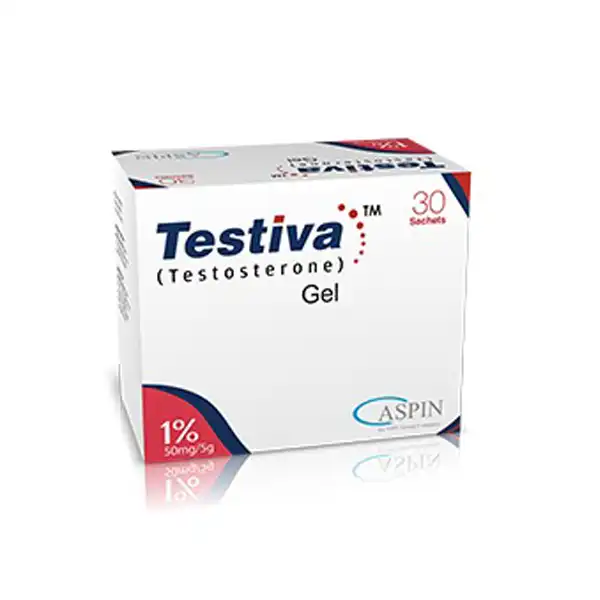
Testiva Gel 1% Sachets (50mg/5g) (1 Box = 30 Sachets) Specification
Requires Prescription (YES/NO)
Yes
Generics
Testosterone
Used For
Hormone Replacement Therapy
How it works
Endogenous androgens, including testosterone and dihydrotestosterone (DHT), are responsible for the normal growth and development of the male sex organs and for maintenance of secondary sex characteristics. These effects include the growth and maturation of prostate, seminal vesicles, penis and scrotum; the development of male hair distribution, such as facial, pubic, chest and axillary hair; laryngeal enlargement, vocal chord thickening, alterations in body musculature and fat distribution. Testosterone and DHT are necessary for the normal development of secondary sex characteristics. Male hypogonadism results from insufficient secretion of testosterone and is characterized by low serum testosterone concentrations. Signs/symptoms associated with male hypogonadism include erectile dysfunction and decreased sexual desire, fatigue and loss of energy, mood depression, Blood and lymphatic system disorders Elevated Hgb, Hct (polycythemia) Endocrine disorders , Hirsutism . Gastrointestinal disorders : Nausea . General disorders and administration site reactions : Asthenia, edema, malaise . Genitourinary disorders : Impaired urination , Hepatobiliary disorders : Abnormal liver function tests (e.g. transaminases, elevated GGTP, bilirubin) Investigations Elevated PSA, electrolyte changes (nitrogen, calcium, potassium, phosphorus, sodium), changes in serum lipids (hyperlipidemia, elevated triglycerides, decreased HDL), impaired glucose tolerance, fluctuating testosterone concentrations, weight increase Neoplasms benign, malignant and unspecified (cysts and polyps) Prostate cancer Nervous system Headache, dizziness, sleep apnea, insomnia Psychiatric disorders Depression, emotional lability, decreased libido, nervousness, hostility, amnesia, anxiety . Reproductive system and breast disorders Gynecomastia, mastodynia , prostatic enlargement, testicular atrophy, oligospermia, priapism (frequent or prolonged erections) Respiratory disorders Dyspnea Skin and subcutaneous tissue disorders Acne, alopecia, application site reaction (pruritus, dry skin, erythema, rash, discolored hair, paresthesia), sweating Vascular disorders Hypertension, vasodilation (hot flushes) regression of secondary sexual characteristics and osteoporosis. Male hypogonadism can present as primary hypogonadism caused by defects of the gonads, such as Klinefelter’s Syndrome or Leydig cell aplasia while secondary hypogonadism is the failure of the hypothalamus or pituitary to produce sufficient gonadotropins .
Usage And Safety
Dosage
Adult dosage : The recommended starting dose of Testosterone 1% is 50 mg of testosterone (one 50 mg sachet), applied topically once daily in the morning to the shoulders and upper arms and/or abdomen area (preferably at the same time every day) . Pediatric Use : The safety and e cacy of Testiva Gel (Testosterone) 1% in pediatric patients less than 18 years old has not been established . Improper use may result in acceleration of bone age and premature closure of epiphyses.
Side Effects
Prolonged use of high doses of orally active 17-alpha-alkyl androgens (e.g., methyltestosterone) may be associated with serious hepatic adverse effects (peliosis hepatis, hepatic neoplasms, cholestatic hepatitis, and jaundice). Peliosis hepatis can be a life-threatening or fatal complication. Long-term therapy with intramuscular testosterone enanthate may produce multiple hepatic adenomas. Testosterone Gel 1% is not known to cause these adverse effects.
Drug Interactions
Insulin : Changes in insulin sensitivity or glycemic control may occur in patients treated with androgens. In diabetic patients, the metabolic effects of androgens may decrease blood glucose and, therefore, may decrease insulin requirements. Oral Anticoagulants : Changes in anticoagulant activity may be seen with androgens, therefore more frequent monitoring of international normalized ratio (INR) and prothrombin time are recommended in patients taking anticoagulants, especially at the initiation and termination of androgen therapy. Corticosteroids : The concurrent use of testosterone with adrenocorticotropic hormone (ACTH) or corticosteroids may result in increased fluid retention and requires careful monitoring particularly in patients with cardiac, renal or hepatic disease. Interaction with laboratory tests : Androgens may decrease levels of thyroxin binding globulin, resulting in decreased T4 serum concentrations and in increased resin uptake of T3 and T4 . Free thyroid hormone levels, however, remain unchanged and there is no clinical evidence of thyroid insufficiency.
Indication
Testosterone 1% is indicated for replacement therapy in adult males for conditions associated with a deficiency or absence of endogenous testosterone : Primary hypogonadism (congenital or acquired) : testicular failure due to conditions such as cryptorchidism, bilateral torsion, orchitis, vanishing testis syndrome, orchiectomy, Klinefelter’s syndrome, chemotherapy, or toxic damage from alcohol or heavy metals. These men usually have low serum testosterone concentrations and gonadotropins (follicle-stimulating hormone [FSH], luteinizing hormone [LH]) above the normal range . Hypogonadotropic hypogonadism (congenital or acquired) : gonadotropin or luteinizing hormone-releasing hormone (LHRH) deficiency or pituitary-hypothalamic injury from tumors, trauma, or radiation. These men have low testosterone serum concentrations, but have gonadotropins in the normal or low range .
When not to Use
Testosterone Gel 1% is contraindicated in : Men with carcinoma of the breast or known or suspected carcinoma of the prostate . Women who are or may become pregnant, or who are breast feeding . Testosterone Gel 1% may cause fetal harm when administered to a pregnant woman. Testosterone Gel 1% may cause serious adverse reactions in nursing infants . Exposure of a female fetus or nursing infant to androgens may result in varying degrees of virilization. Pregnant women or those who may become pregnant need to be aware of the potential for transfer of testosterone from men treated with Testosterone Gel 1%. If a pregnant woman is exposed to Testosterone Gel 1%, she should be apprised of the potential hazard to the fetus . Patients with known hypersensitivity to the active substance .
Precautions
Precaution
Androgens, including Testosterone Gel 1%, may promote retention of sodium and water. Edema, with or without congestive heart failure, may be a serious complication in patients with pre-existing cardiac, renal, or hepatic disease.
Warnings
Warning 1
Patients with BPH treated with androgens are at an increased risk for worsening of signs and symptoms of BPH. Monitor patients with BPH for worsening signs and symptoms .
Warning 2
Increases in hematocrit, reflective of increases in red blood cell mass, may require lowering or discontinuation of testosterone. Check hematocrit prior to initiating treatment. It would also be appropriate to re-evaluate the hematocrit 3 to 6 months afte
Warning 3
Due to lack of data in women and potential virilizing effects, Testosterone Gel is not indicated for use in women.
Additional Information
Pregnancy category
Always consult your physician before using any medicine.
Storage (YES/NO)
Store this medicine at room temperature, away from direct light and heat.